




Details
4
0
Save
Authored by Prof. Joseph Costantine
10 hours and 30 minutes
Aug 24, 2026


Authored by Prof. Joseph Costantine
Advancing Human Well-Being Through Non-Invasive Innovation
“Innovations in electromagnetic sensing are bringing healthcare closer to people, making diagnostics faster, monitoring continuous, and treatment more personalized.”
Imagine managing diabetes without finger pricks, detecting viral infections within seconds without laboratory testing, or monitoring kidney health from home using a handheld device. These possibilities are no longer futuristic concepts. They are becoming reality through electromagnetic sensing technologies that are redefining how healthcare is delivered and experienced.
Healthcare is experiencing a profound transformation driven by the convergence of electromagnetic sensing, wearable technologies, artificial intelligence, and patient-centered design. Once primarily associated with communications and radar systems, electromagnetic (EM) waves are now enabling a new generation of medical devices that can diagnose disease, monitor physiological changes, and support therapeutic interventions without disrupting patients’ daily lives.
These innovations are redefining the relationship between patients and healthcare systems by shifting from reactive, hospital-centered care toward continuous, personalized, and non-invasive health management.
The fundamental principle underlying electromagnetic sensing in healthcare lies in the unique interaction between EM waves and biological tissues. Human tissues exhibit distinct dielectric properties, characterized by parameters such as permittivity and conductivity. These properties vary depending on tissue composition, physiological status, and the presence of biomarkers or pathological conditions.
By transmitting EM waves through or around the body and analyzing changes in reflected or transmitted signals, clinicians can extract meaningful information about health status without invasive sampling.
This capability represents one of the most significant innovations executed at the EMpact Lab of the American University of Beirut. Traditional diagnostic methods often rely on blood draws, biopsies, chemical reagents, or imaging systems that may be costly, time-consuming, uncomfortable, or inaccessible.
Electromagnetic sensing offers an alternative paradigm characterized by portability, rapid response, reduced dependence on laboratory infrastructure, and enhanced patient comfort. Importantly, these technologies are not merely technological achievements; they are innovations designed to improve human well-being by minimizing pain, reducing anxiety, and empowering patients with greater control over their health.
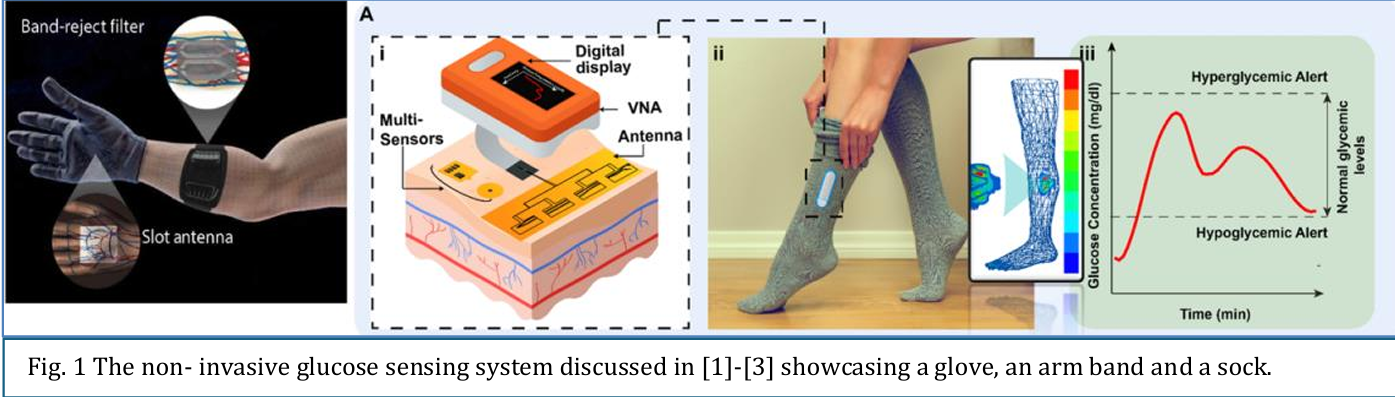
One of the most impactful applications of electromagnetic sensing, led by Prof. Costantine, is continuous glucose monitoring for individuals living with diabetes. Conventional glucose monitoring methods require repeated finger pricking or minimally invasive sensors inserted into the skin. While effective, these approaches can cause discomfort, pain, skin irritation, and reduced compliance, particularly among children and elderly patients.
Recent advances in wearable electromagnetic glucose sensors have demonstrated the feasibility of completely non-invasive glucose monitoring. Flexible body-matched sensors inspired by human vasculature anatomy have shown remarkable accuracy in tracking glucose fluctuations continuously and wirelessly.
Clinical studies executed by the EMpact Lab over a limited number of patients with diabetes at the American University Medical Center have demonstrated accuracies approaching 99%, while enabling painless monitoring without disrupting normal activities [1]–[3].
These systems integrate machine-learning algorithms with EM sensing to compensate for environmental factors such as movement, humidity, and temperature, thereby enhancing reliability and precision.
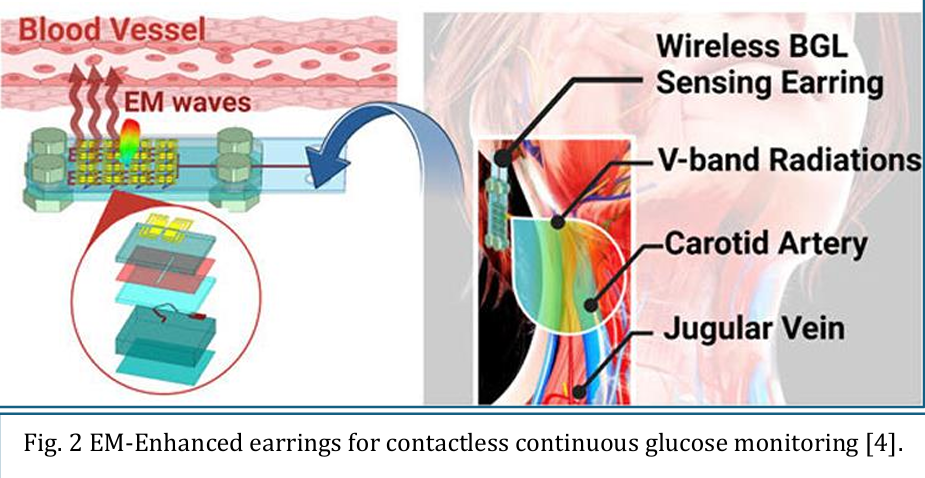
Further innovation has extended into contactless glucose sensing through wearable antenna arrays integrated into accessories such as earrings. By transmitting millimeter-wave electromagnetic signals across vascular structures and analyzing received signals using artificial intelligence algorithms, these systems have also demonstrated impressive clinical accuracy [4].
Such approaches eliminate direct contact with the sensing site, representing an unprecedented level of convenience and comfort for patients requiring lifelong glucose monitoring.
The implications of these technologies extend beyond improved diagnostic accuracy. They address a critical barrier in chronic disease management: patient adherence.
By removing pain and inconvenience from routine monitoring, electromagnetic sensing encourages more frequent assessment, enabling earlier interventions and improved long-term outcomes. This patient-centered innovation exemplifies how engineering solutions can directly enhance quality of life.
Several of these innovations have attracted international recognition, receiving prestigious scientific awards and being featured by global media outlets including Forbes, Nature, and Reuters. The resulting intellectual property portfolio and commercialization opportunities demonstrate the growing potential of electromagnetic healthcare technologies to move beyond the laboratory and into everyday clinical practice.
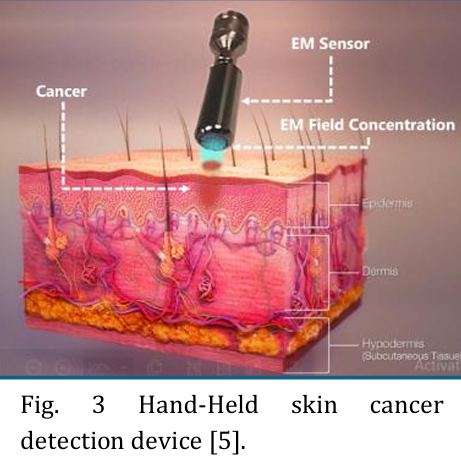
Electromagnetic sensing is also revolutionizing the field of skin cancer diagnostics. Skin cancer screening traditionally relies on visual examination followed by invasive biopsies to confirm malignancy. While biopsies remain the diagnostic gold standard, they may be associated with discomfort, scarring, anxiety, and delays in obtaining results.
Portable electromagnetic sensing devices now offer promising alternatives for rapid, non-invasive assessment of skin lesions. By exploiting differences in dielectric properties between healthy tissue and malignant lesions, these devices provide objective evaluations of suspicious skin abnormalities.
Clinical investigations have demonstrated sensitivities exceeding 92% and specificities above 81% in distinguishing cancerous from non-cancerous lesions, according to [5].
The novelty of this approach lies in its ability to provide instantaneous assessments using compact handheld devices combined with machine-learning algorithms. Beyond diagnostic performance, these systems enhance patient experiences by reducing the need for unnecessary invasive procedures, minimizing psychological stress, and facilitating earlier detection through accessible screening tools.
The COVID-19 pandemic further highlighted the urgent need for rapid diagnostic technologies that are accurate, portable, and easy to deploy. Conventional molecular testing methods, while highly sensitive, often require specialized laboratories, trained personnel, and extended turnaround times.
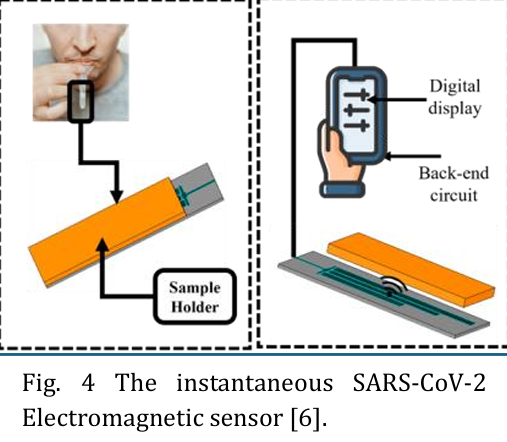
Electromagnetic sensing has emerged as an innovative solution capable of transforming infectious disease diagnostics. Portable radio-frequency sensing platforms have demonstrated the ability to identify SARS-CoV-2 instantaneously using saliva and nasopharyngeal samples without requiring amplification agents or complex sample preparation [6].
Importantly, these systems have demonstrated the capability to differentiate between multiple respiratory pathogens, including SARS-CoV-2, influenza A, and respiratory syncytial virus. This multiplexed diagnostic capability illustrates the versatility of electromagnetic sensing technologies and their potential role in future pandemic preparedness.
Rapid, accessible diagnostics have profound implications for public health and individual well-being. Immediate test results reduce uncertainty, facilitate timely isolation and treatment decisions, and alleviate the emotional burden associated with prolonged waiting periods. Such innovations strengthen healthcare resilience while prioritizing patient needs.
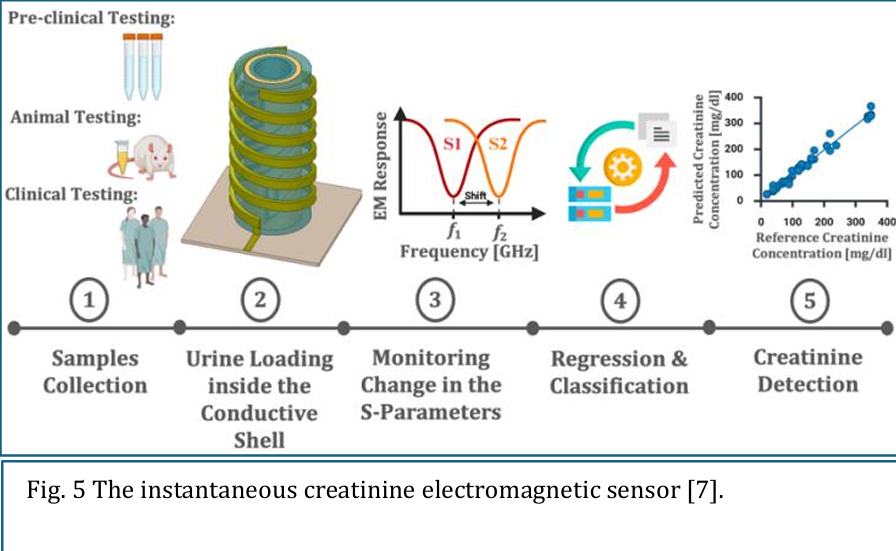
Novel electromagnetic sensing platforms utilizing advanced resonator designs and artificial intelligence algorithms have demonstrated the ability to quantify urinary creatinine accurately and without reagents.
These systems provide near-real-time assessments with clinically relevant performance metrics, opening opportunities for decentralized kidney health monitoring [7].
The significance of this innovation lies not only in technological advancement but also in its ability to democratize healthcare access. Portable point-of-care diagnostic tools empower patients and clinicians alike, reducing dependence on specialized laboratories while enabling earlier detection and intervention.
The applications of electromagnetic sensing extend beyond conventional disease diagnostics into broader dimensions of human function and inclusion.
Wearable antenna systems integrated into gloves have recently demonstrated the ability to transcribe sign language into spoken and written communication [8]. By monitoring changes in electromagnetic responses associated with hand gestures and processing them through machine-learning algorithms, these systems facilitate real-time translation with high accuracy.
This application exemplifies the human-centered potential of electromagnetic technologies. Rather than focusing solely on disease detection, such innovations address communication barriers experienced by individuals with hearing impairments.
By fostering accessibility and social inclusion, electromagnetic sensing technologies contribute directly to improved quality of life and societal participation.
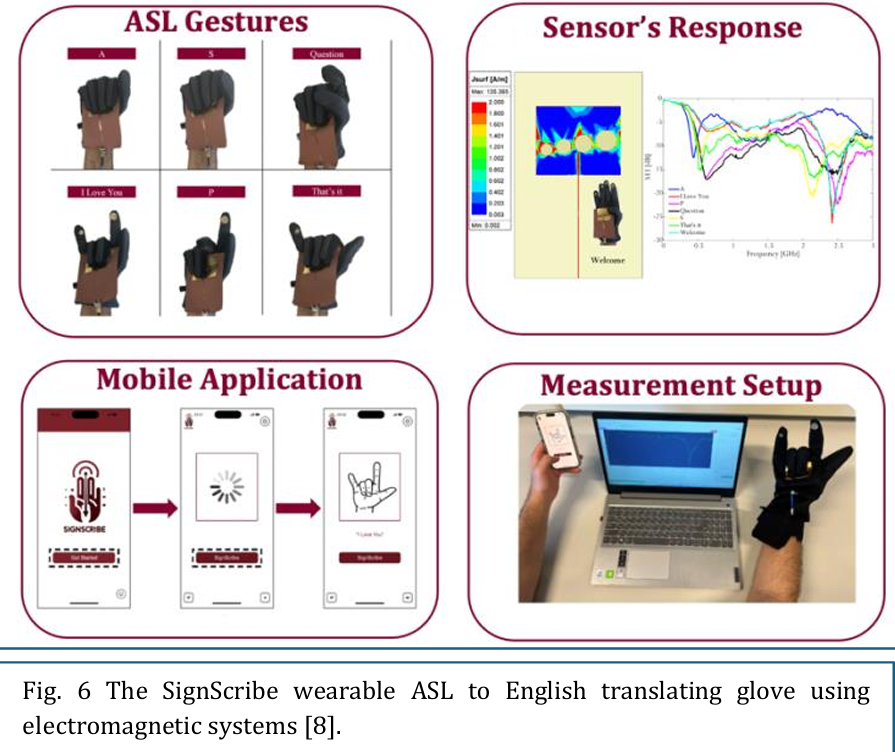
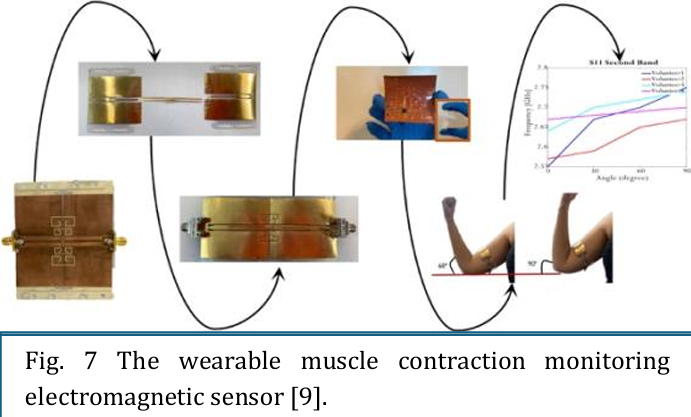
Similarly, flexible electromagnetic systems capable of monitoring muscle contractions have introduced new opportunities in rehabilitation and personalized medicine.
Unlike traditional electromyography systems that may require invasive electrodes or wired configurations, wearable EM sensors offer comfortable, stretchable, and wireless alternatives. Patients undergoing rehabilitation can benefit from continuous assessment of muscle activity without compromising mobility or comfort [9].
These innovations support patient autonomy by enabling monitoring in natural environments rather than exclusively within clinical settings. Such approaches facilitate personalized treatment plans while reducing healthcare burdens associated with repeated hospital visits.
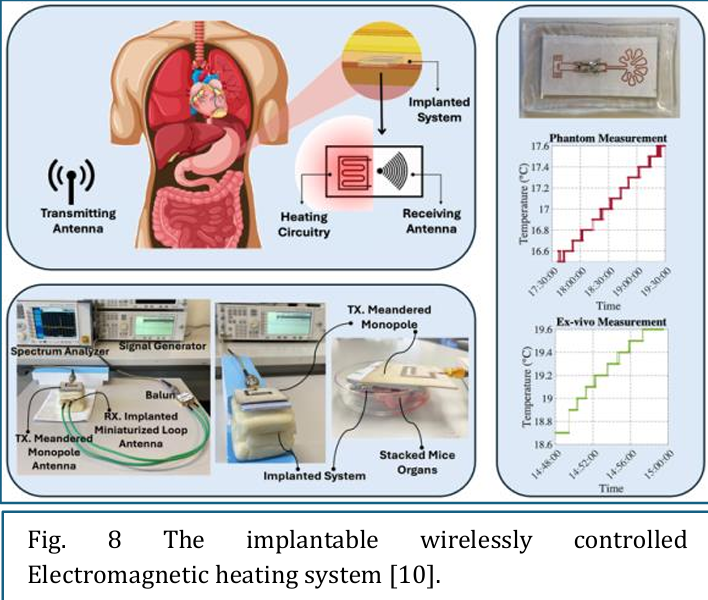
The evolution of electromagnetic healthcare technologies also encompasses therapeutic applications. Implantable systems capable of harvesting externally transmitted radio-frequency energy and converting it into localized heat illustrate how electromagnetic engineering can support targeted treatments [10].
Controlled heating within biological tissues has potential applications ranging from metabolic modulation to adjunctive therapeutic interventions.
The novelty of these approaches lies in their wireless operation and precise control. By enabling external activation of implanted devices without invasive procedures, these systems minimize patient discomfort while expanding therapeutic possibilities.
Across these diverse applications, several themes consistently emerge.
First, electromagnetic sensing prioritizes non-invasiveness. Eliminating needles, biopsies, and repeated blood sampling reduces physical discomfort and psychological distress. Patients are more likely to engage actively in their healthcare when monitoring technologies integrate seamlessly into daily life.
Second, these technologies emphasize convenience and accessibility. Portable, wearable, and wireless systems enable continuous monitoring outside traditional healthcare facilities. This shift supports proactive healthcare strategies focused on prevention and early intervention.
Third, the integration of artificial intelligence significantly enhances diagnostic accuracy and personalization. Machine-learning algorithms translate complex electromagnetic signatures into clinically meaningful information while accounting for individual variability and environmental influences.
Beyond their clinical value, these technologies possess strong commercialization potential. Their low-cost implementation, portability, and scalability position them as attractive solutions for healthcare systems worldwide. All these innovations have resulted in patent filings and industry engagement, highlighting the ability of research-driven innovation to generate both societal and economic impact.
Finally, and perhaps most importantly, electromagnetic sensing technologies elevate human well-being. They acknowledge that successful healthcare extends beyond clinical outcomes to encompass dignity, comfort, empowerment, and quality of life. Patients become active participants in their health journeys rather than passive recipients of care.
As healthcare continues to evolve, electromagnetic sensing stands at the forefront of a new era characterized by precision, personalization, and compassion. These technologies demonstrate that engineering innovation can profoundly influence human experiences by making diagnostics less invasive, monitoring more convenient, and therapies more patient-centered.
The future of healthcare will not be defined solely by more advanced hospitals or more sophisticated laboratory equipment. It will be defined by technologies that bring healthcare closer to people, making diagnostics faster, monitoring continuous, and treatment more personalized.
Electromagnetic sensing embodies this vision. By combining engineering innovation, artificial intelligence, and a deep commitment to human well-being, these technologies are helping shape a future where healthcare is more accessible, more compassionate, and ultimately more empowering for everyone.
[1] J. Hanna, M. Bteich, Y. Tawk, A. H. Ramadan, B. Dia, F. A. Asadallah, A. Eid, R. Kanj, J. Costantine, and A. A. Eid. “Non-Invasive, Wearable, and Tunable Electromagnetic Multi-Sensing System for Continuous Glucose Monitoring Mimicking Vasculature Anatomy.” Science Advances, Vol. 6, No. 24, eaba5320, June 2020.
[2] J. Hanna, Y. Tawk, S. Azar, A. H. Ramadan, B. Dia, E. Shamieh, S. Zoghbi, R. Kanj, J. Costantine, and A. A. Eid. “Wearable Flexible Body Matched Electromagnetic Sensors for Personalized Non-Invasive Glucose Monitoring.” Scientific Reports, Vol. 12, No. 1, p. 14885, September 2022.
[3] M. Bteich, J. Hanna, J. Costantine, R. Kanj, Y. Tawk, A. H. Ramadan, and A. A. Eid. “A Non-Invasive Flexible Glucose Monitoring Sensor Using a Broadband Reject Filter.” IEEE Journal of Electromagnetics, RF and Microwaves in Medicine and Biology, Vol. 5, No. 2, pp. 139–147, 2021.
[4] H. M. Farhat, J. Costantine, Y. Tawk, R. Kanj, A. H. Ramadan, B. Dia, J. Ghaddar, and A. A. Eid. “Wireless Continuous Glucose Monitoring Using V-Band Circularly Polarized Directive Antenna Arrays in a Transmit/Receive System.” IEEE Transactions on Antennas and Propagation, Vol. 72, No. 9, pp. 7005–7016, September 2024.
[5] N. Shafi, J. Costantine, R. Kanj, Y. Tawk, A. H. Ramadan, M. Kurban, J. Abou Rahal, and A. A. Eid. “A Portable Non-Invasive Electromagnetic Lesion-Optimized Sensing Device for the Diagnosis of Skin Cancer (SKanMD).” IEEE Transactions on Biomedical Circuits and Systems, Vol. 17, No. 3, pp. 558–573, 2023.
[6] R. Al Sayed Ali, N. Shafi, F. Asadallah, R. Njeim, H. Al Kalamouni, H. Zaraket, R. Kanj, A. A. Eid, J. Costantine, and Y. Tawk. “Instantaneous Viral Detection of SARS-CoV-2 and Beyond Using Electromagnetic Sensing.” Advanced Sensor Research, 2300135, 2023.
[7] R. Al Sayed Ali, J. Costantine, Y. Tawk, R. Kanj, J. Ghaddar, F. A. Asadallah, N. Fares, D. Chelala, and A. A. Eid. “Volumetric Near-Field Electromagnetic Sensing of Creatinine in Urine Using a 3D-Printed Bifilar Helical Platform.” IEEE Sensors Journal, Early Access, 2026.
[8] Z. W. Attoun, J. B. Salameh, P. N. Saade, R. E. Mezher, G. G. Abou Jaoude, J. Costantine, and Y. Tawk. “SignScribe: A Wearable Antenna for Sign Language Transcription.” IEEE Sensors Journal, Vol. 25, No. 22, pp. 42063–42070, 2025.
[9] Z. Attoun, N. Shafi, Y. Tawk, J. Costantine, and E. Shammas. “Wearable Flexible Radio Frequency Filtering System for Muscle Contraction Monitoring.” IEEE Journal of Microwaves, Vol. 4, No. 2, pp. 193–203, 2024.
[10] B. E. Hage, Y. Tawk, J. Costantine, and A. A. Eid. “A Miniaturized Implantable Antenna System for Localized Heating Using RF Energy.” IEEE Journal of Electromagnetics, RF and Microwaves in Medicine and Biology, Early Access, 2026.